How to Choose Interior Materials That Match Your Lifestyle
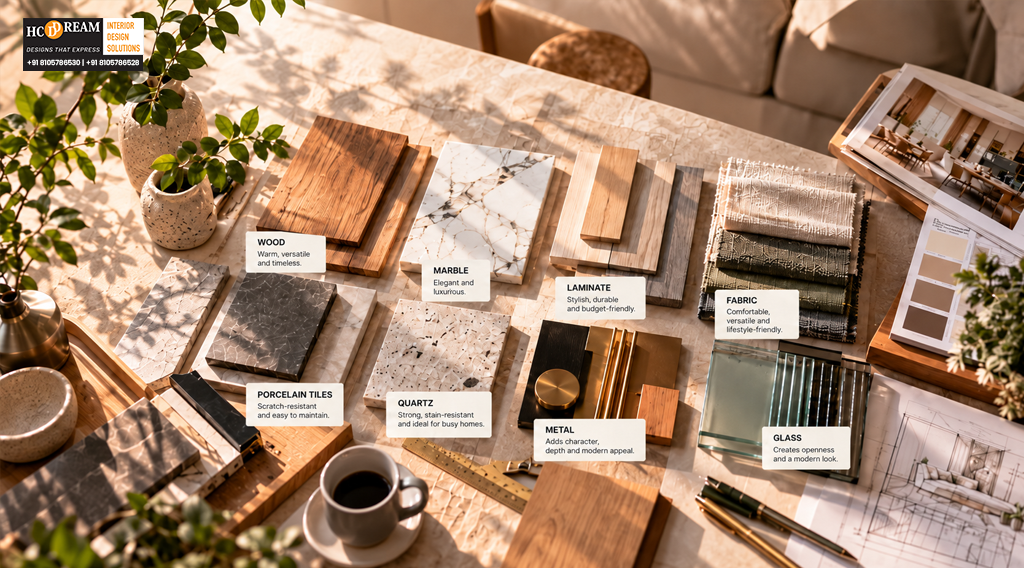
The right interior materials can make a home feel effortless to live in. The wrong ones can turn everyday routines into constant maintenance. A beautiful finish may catch your eye in a showroom, but what matters is how it performs when your children spill something, your kitchen gets busy, or your bedroom wardrobe is opened dozens of times every day. Choosing materials for your home should therefore go beyond colour and appearance. It should consider how you live, what you use most, how much maintenance you are comfortable with and how long you want your interiors to last. For Bangalore homeowners, this becomes especially important when designing modern apartments and villas where style, durability and practical living need to work together. Why Your Lifestyle Should Influence Material Selection Every home has its own rhythm. A couple living alone may have very different material requirements from a family with young children. Someone who cooks every day will use their kitchen differently from someone who orders most meals. A homeowner who works from home may place greater importance on a comfortable, durable study area. That is why there is no single material that is perfect for every home. Before choosing your home interior materials, think about: The answers can help you choose materials that look beautiful and make sense for everyday life. Start With Function, Then Choose the Finish A common mistake is selecting a material because it looks attractive and only later thinking about whether it suits the space. Instead, begin with the function of the room. A kitchen surface needs to handle heat, spills and regular cleaning. A bedroom wardrobe needs to withstand frequent opening and closing. Bathroom materials need to deal with moisture. Living room surfaces may need to handle heavy daily traffic. Once you understand the demands of the room, you can narrow down materials that suit both your lifestyle and aesthetic preferences. 1. Choose Flooring Based on Everyday Movement Flooring experiences constant use. People walk across it, furniture moves over it and dust accumulates on the surface. The right choice should therefore balance appearance, durability and maintenance. For busy homes, consider materials that are: Bedrooms may benefit from warmer and more comfortable finishes, while high-traffic areas often require surfaces that can handle regular use. The important thing is not simply choosing the most durable option. It is choosing a material whose performance matches the room. 2. Select Kitchen Materials for Real Cooking The kitchen is one of the hardest-working spaces in any home. Heat, moisture, oil, food spills and constant cleaning can quickly reveal whether a material was chosen thoughtfully. When selecting kitchen finishes, think about how often you cook and how much maintenance you are willing to handle. Consider These Areas Carefully Countertops: Choose surfaces that suit your cooking habits and cleaning routine. Cabinet finishes: Consider resistance to stains, moisture and everyday handling. Backsplashes: Select finishes that are easy to wipe and visually complement the kitchen. Hardware: Frequently used handles and fittings should be comfortable and durable. A kitchen that looks beautiful on day one should still feel practical years later. 3. Choose Bedroom Materials for Comfort Bedrooms have a different purpose from kitchens or living rooms. They should feel calm, comfortable and personal. When selecting materials for bedroom interiors, consider how different finishes interact with lighting, textures and colours. For wardrobes, practical finishes should be combined with interiors that are easy to organise and maintain. For a Comfortable Bedroom, Think About: The bedroom should not feel overly delicate. It should feel inviting enough for relaxation while being practical enough for everyday use. 4. Understand the Difference Between Appearance and Performance Two materials can look almost identical while performing very differently. A glossy finish may create a sophisticated appearance, but it may also reveal fingerprints more easily. A textured surface can add visual depth while potentially requiring more careful cleaning. This does not mean one finish is automatically better than another. It means your choice should reflect your priorities. If you have young children, frequent cleaning may be a major consideration. If you prefer a highly polished aesthetic and do not mind regular upkeep, a different finish may suit you. The best choice is the one that fits your lifestyle. 5. Look for Durable Interior Materials in High-Use Areas Not every part of your home needs the same level of durability. Some areas experience significantly more activity than others. Consider using durable interior materials where surfaces receive frequent contact or heavy use. These areas may include: Durability can reduce the need for frequent repairs or replacements, making your interiors easier to live with over time. 6. Choose Bathroom Materials With Moisture in Mind Bathrooms naturally experience water, humidity and frequent cleaning. Material selection should therefore consider moisture resistance and maintenance. For walls and floors, choose finishes appropriate for wet environments. Storage should also be planned with moisture exposure in mind. Think About: A bathroom can look luxurious without relying on materials that are difficult to maintain. 7. Consider How Much Maintenance You Actually Want Be honest about your lifestyle. Some homeowners enjoy spending time maintaining their interiors. Others want their home to look good with minimal effort. Both preferences are perfectly reasonable. If you have a busy schedule, prioritise finishes that are easier to clean and less demanding. For example, practical surfaces in kitchens and utility areas can save considerable time over the years. Ask Before Choosing a Material Will I enjoy maintaining this? If the answer is no, look for a more practical alternative that still delivers the appearance you want. Beautiful interiors should make your life better, not create another list of chores. 8. Think About Children and Pets Homes with children and pets have their own material requirements. Spills, scratches, stains and frequent cleaning are simply part of everyday life. This does not mean your home needs to look purely functional. You can still create elegant interiors by choosing finishes that combine visual appeal with resilience. Family-Friendly Choices Often Prioritise: The goal