

How Lighting Can Completely Transform the Look and Feel of Your Home
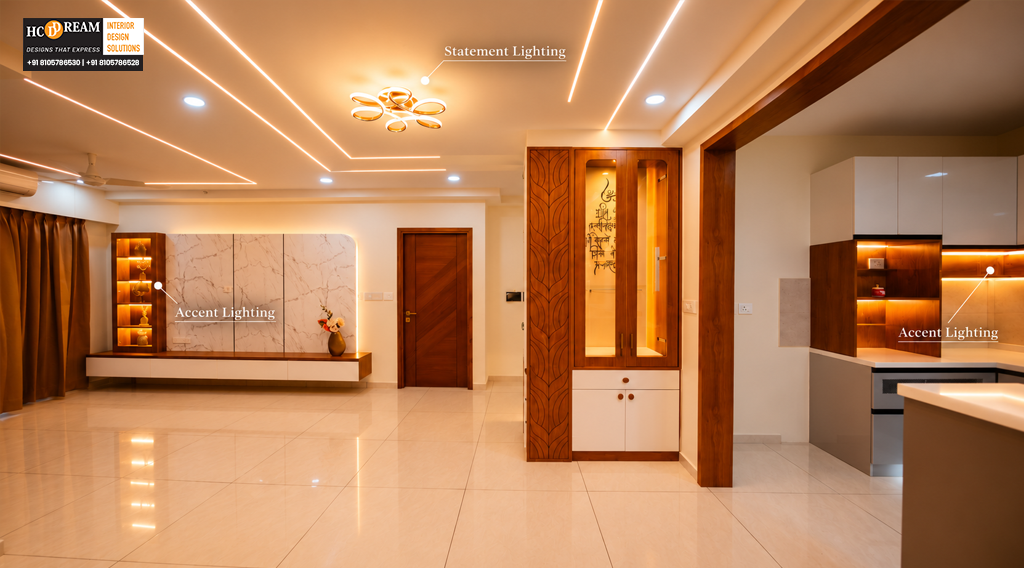
A beautifully designed room can feel ordinary under the wrong lighting. The same room can feel warm, spacious, and luxurious when the lighting is planned well. That is the power of lighting. It influences how colours appear, how textures stand out, how spacious a room feels and how comfortable you feel within it. For Bangalore homeowners, lighting is especially important when designing modern apartments and villas. The right combination of natural daylight, ambient illumination and carefully placed fixtures can transform everyday spaces without changing their layout or furniture. Thoughtful home lighting design goes beyond choosing attractive light fixtures. It is about creating the right atmosphere for every activity, from waking up in a peaceful bedroom to entertaining guests in a welcoming living room. Why Lighting Matters in Interior Design Lighting affects both the appearance and functionality of a home. A room with insufficient lighting may feel dull or cramped. Excessively bright lighting can make a relaxing space feel harsh. A carefully planned arrangement, however, can bring out the best in your furniture, materials and architectural details. Good lighting can help you: Lighting should therefore be considered during the design process, not added as a finishing touch after everything else is complete. 1. Understand the Three Main Types of Lighting A well-lit home rarely depends on a single ceiling fixture. Instead, effective interior lighting ideas combine different types of lighting to support practical needs and create visual interest. Ambient Lighting Ambient lighting provides the general illumination for a room. It helps you move around comfortably and creates the overall brightness of the space. Common examples include ceiling lights, recessed downlights and suitable ceiling-mounted fixtures. Task Lighting Task lighting focuses on specific activities. Examples include bedside reading lights, kitchen counter lighting, study lamps and lighting inside wardrobes. It provides additional visibility where you need it most. Accent Lighting Accent lighting draws attention to selected features. It can highlight artwork, textured walls, display shelves, architectural details or decorative objects. When these three layers work together, a room feels more balanced and adaptable. 2. Use Natural Light to Open Up Your Home Before choosing artificial lighting, consider how much natural light your home receives. Daylight can make rooms feel brighter, more inviting and visually spacious. It also helps reveal the true character of materials and colours. For Bangalore apartments, where room sizes and window positions vary, making the most of available daylight can have a significant impact. Simple Ways to Maximise Natural Light Natural light should guide your artificial lighting plan, too. A room that receives generous daylight may need a different arrangement from one with limited windows. 3. Choose the Right Lighting for Your Living Room The living room often serves several purposes throughout the day. It may be a place for family conversations, entertaining guests, watching television, reading or simply relaxing after work. That means the lighting needs to be flexible. Create Layers for Different Activities Consider combining: You do not need to turn on every light at once. A combination of lighting options allows you to create a brighter setting for gatherings and a softer atmosphere for quiet evenings. Avoid Overlighting More light does not automatically make a room look better. Too many bright fixtures can flatten the appearance of a space and make it feel uncomfortable. A balanced arrangement allows some areas to stand out while others remain visually calm. 4. Design Bedroom Lighting for Comfort and Relaxation The bedroom should feel different from a kitchen or work area. It is a place to unwind, read, get dressed and prepare for rest. Lighting should support these activities without making the room feel overly bright or visually busy. Create a Comfortable Lighting Arrangement General lighting: Use suitable ceiling fixtures to illuminate the room evenly. Bedside lighting: Wall-mounted reading lights or bedside lamps provide focused illumination without relying on the main ceiling light. Wardrobe lighting: Integrated lighting can make it easier to locate clothing and accessories. Accent lighting: Subtle illumination behind a headboard or around a selected architectural feature can add depth. Choose Warm, Comfortable Light Warmer light is often preferred in bedrooms because it creates a relaxed atmosphere. The exact colour temperature should suit your finishes, personal preferences and lighting requirements. Avoid relying on a single harsh light source. Multiple, appropriately positioned fixtures give you greater control over the mood of the room. 5. Make Small Rooms Feel Bigger With Lighting Lighting can change how spacious a room appears, even though it does not change its physical dimensions. Dark corners, uneven illumination and heavy shadows can make a space feel visually enclosed. A more balanced arrangement can help the room feel open and connected. Try These Approaches In small bedrooms, well-positioned bedside wall lights can free up space on nightstands while creating a cleaner appearance. In compact living rooms, lighting around shelving or selected wall features can add depth without introducing more furniture. The goal is to create visual balance, not simply increase brightness. 6. Use Lighting to Highlight Materials and Textures Materials can look dramatically different depending on how light falls across them. Wood finishes may appear warmer under certain lighting. Textured walls can gain depth when illuminated from the side. Stone-inspired surfaces can reveal subtle patterns under carefully positioned fixtures. This is why lighting should be planned alongside material selection. Where Accent Lighting Can Make a Difference Feature walls: Directional lighting can reveal surface texture. Display shelves: Integrated lighting can make selected objects stand out. Wall panels: Carefully positioned fixtures can create depth and shadow. Artwork: Suitable accent lighting can draw attention to individual pieces. The important thing is to highlight selected details rather than illuminate every surface equally. 7. Select Lighting for the Kitchen and Dining Area Kitchen lighting needs to balance visibility with atmosphere. A decorative pendant may look beautiful above an island, but it should not replace practical lighting over food preparation areas. Kitchen Lighting Consider a combination of: Task lighting is particularly useful because overhead fixtures can sometimes cast shadows on countertops when someone
